
Looking for Brainrots in Steal a Brainrot? Browse this illustrated catalog of 574 entries, from Common starters to OG characters. Start with the 12 Common entries, then search by name, filter by rarity, or sort by listed income and cash cost. Larger result sets show 24 entries at a time; select Show more to continue.
What are Brainrots?
Brainrots are the collectible characters at the center of Steal a Brainrot. Players buy or steal them and keep them in a base, where they generate passive income.
A useful comparison starts with three things: how much an entry costs, how much it earns each second, and whether you need it for a collection or progression goal. Rarity alone does not tell you which purchase is best for your current base.
Brainrot rarities explained
This catalog uses eight rarity groups: Common, Rare, Epic, Legendary, Mythic, Brainrot God, Secret, and OG. These rarity groups reflect how difficult Brainrots are to obtain, how much they cost, and how much income they generate. They do not indicate exact spawn probabilities.
The filters use each entry’s current listed rarity. Historical notes, such as “formerly Brainrot God,” remain visible on the card. A mutation or trait is a separate property and does not replace the rarity category.
How to get Brainrots
- Buy from the Red Carpet. Brainrots travel along the carpet; purchasing one sends it toward your base.
- Steal from another player’s base. Reach an accessible base and return with the target Brainrot. The owner can interrupt the attempt and recover it.
- Check special acquisition sources. Some entries come from Lucky Blocks or events rather than ordinary carpet spawns.
A price in the catalog does not mean the entry is currently available on the carpet. This dataset contains cost and income, not a complete per-character availability guide.
How to compare Brainrot income
Use the listed income as a starting point, then check the actual Brainrot’s mutation and traits. Their effects can make two copies of the same character earn different amounts. Our mutation guide explains income calculations and the distinction between total trait multipliers and additive bonuses.
For a simple purchase comparison, calculate:
Estimated payback time in seconds = cash cost ÷ income per second
For example, the supplied catalog lists Noobini Pizzanini at $25 and $1/s, so its simple payback is 25 seconds. Trippi Troppi at $2K and $15/s takes about 133 seconds. These estimates assume uninterrupted earnings at the listed rate and exclude travel time, bonuses, theft, and any alternate Robux price.
When slots are limited, compare income per slot as well as payback time. Before selling a character, check whether it is needed for your next rebirth.
All Brainrots: searchable catalog
This list preserves the supplied names, prices, income values, and historical notes. It includes Lucky Blocks and entries with unknown or rumored values, so 574 is the number of catalog entries, not a claim that all 574 are confirmed income-producing characters.
Units: K = thousand, M = million, B = billion, T = trillion; /s means per second. n/a means no income was supplied, not zero. TBA (rumored) remains unconfirmed. Sorting uses the first listed cash or income value, with unknown values last; alternate Robux prices and former values stay visible.
Showing 12 of 12 matches · 574 total
Start with Common, choose another rarity, or search across all rarities by name.

Noobini Pizzanini
Common
- Cost
- $25
- Income
- $1/s
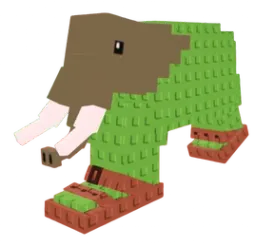
Lirilì Larilà
Common
- Cost
- $250
- Income
- $3/s

Tim Cheese
Common
- Cost
- $500
- Income
- $5/s

Fluriflura
Common
- Cost
- $750
- Income
- $7/s

Talpa Di Fero
Common
- Cost
- $1K
- Income
- $9/s

Noobini Santanini
Common
- Cost
- $1.1K
- Income
- $11/s
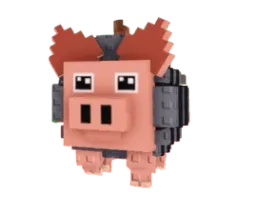
Svinina Bombardino
Common
- Cost
- $1.2K
- Income
- $10/s

Raccooni Jandelini
Common
- Cost
- $1.3K
- Income
- $12/s

Pipi Kiwi
Common
- Cost
- $1.5K
- Income
- $13/s
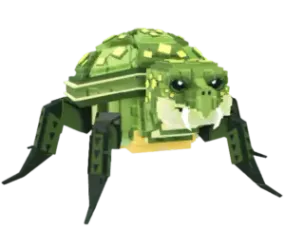
Tartaragno
Common
- Cost
- $1.5K
- Income
- $13/s

Pipi Corni
Common
- Cost
- $1.75K
- Income
- $14/s
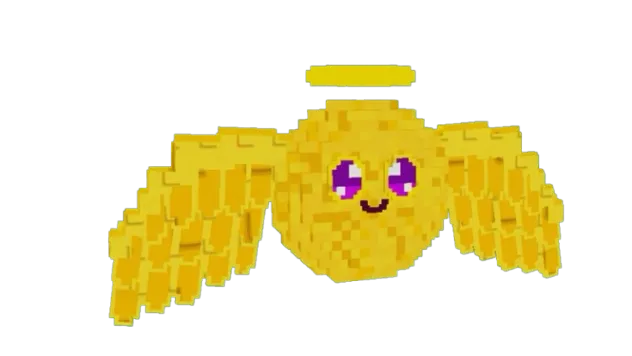
Holy Arepa
Common
- Cost
- $1.7K
- Income
- $14/s
Building a useful collection
Start with earners you can afford, then compare upgrades against the income of the slot they would replace. Keep track of rebirth requirements, and consider gears for protecting important characters.
For collection goals, use the Index to track missing entries and mutation milestones. The community Index guide explains how obtained Brainrots are recorded and how eligible milestones unlock bonuses or base skins. A character can be useful for an index even if it is not your strongest earner.
Frequently asked questions
Which Brainrot earns the most in this list?
Select Highest income to compare the supplied numeric values. Unknown and rumored income is placed last. This ranking compares the catalog’s figures, not every possible mutated or trait-enhanced version.
Are cost and trading value the same?
No trading values are provided here. The Cost field reproduces the supplied purchase-cost data, including alternate Robux prices where listed; it should not be treated as a player-to-player trading valuation.
Why do some Lucky Blocks have no income?
The supplied dataset includes Lucky Block entries but marks their income as n/a. They are retained for reference and are not assigned an invented earnings rate or payback estimate.
Sources and data notes
The catalog follows the supplied Brainrot dataset. Related gameplay information was researched on November 4, 2026 using the community references and gameplay account linked above. Prices and income were not independently verified for every entry. Smurf Cat retains the dataset’s rumored status, and historical rarity and value notes remain visible.